AI Agents, Vector Search, and Global Scale: What’s Coming at Azure Cosmos DB Conf 2026
As data becomes the backbone of intelligent systems, the role of distributed databases is rapidly evolving. The upcoming Azure Cosmos DB Conf 2026 promises to be more than just a product update event—it’s shaping up to be a deep exploration into how modern applications are being re-architected for an AI-first, globally distributed world.
At the center of this transformation is Azure Cosmos DB—a platform that has steadily moved from being “just a globally distributed NoSQL database” to becoming a foundational layer for AI agents, real-time analytics, and planet-scale applications.
Let’s take a detailed look at what to expect, why it matters, and how it reflects broader shifts in software architecture.
The Big Theme: From Data Storage to Intelligence Infrastructure
In earlier years, Cosmos DB conferences focused heavily on:
- Throughput optimization (RU/s)
- Multi-region replication
- Consistency models
- API compatibility (MongoDB, Cassandra, SQL, etc.)
But 2026 marks a significant pivot.
The core theme is:
Databases are no longer passive storage systems—they are active participants in intelligent workflows.
This shift is driven by the rise of:
- AI agents
- Real-time decision systems
- Event-driven architectures
- Globally distributed user bases
1. AI Agents + Cosmos DB: The New Application Pattern
One of the most anticipated areas of discussion is how Cosmos DB integrates with AI agents.
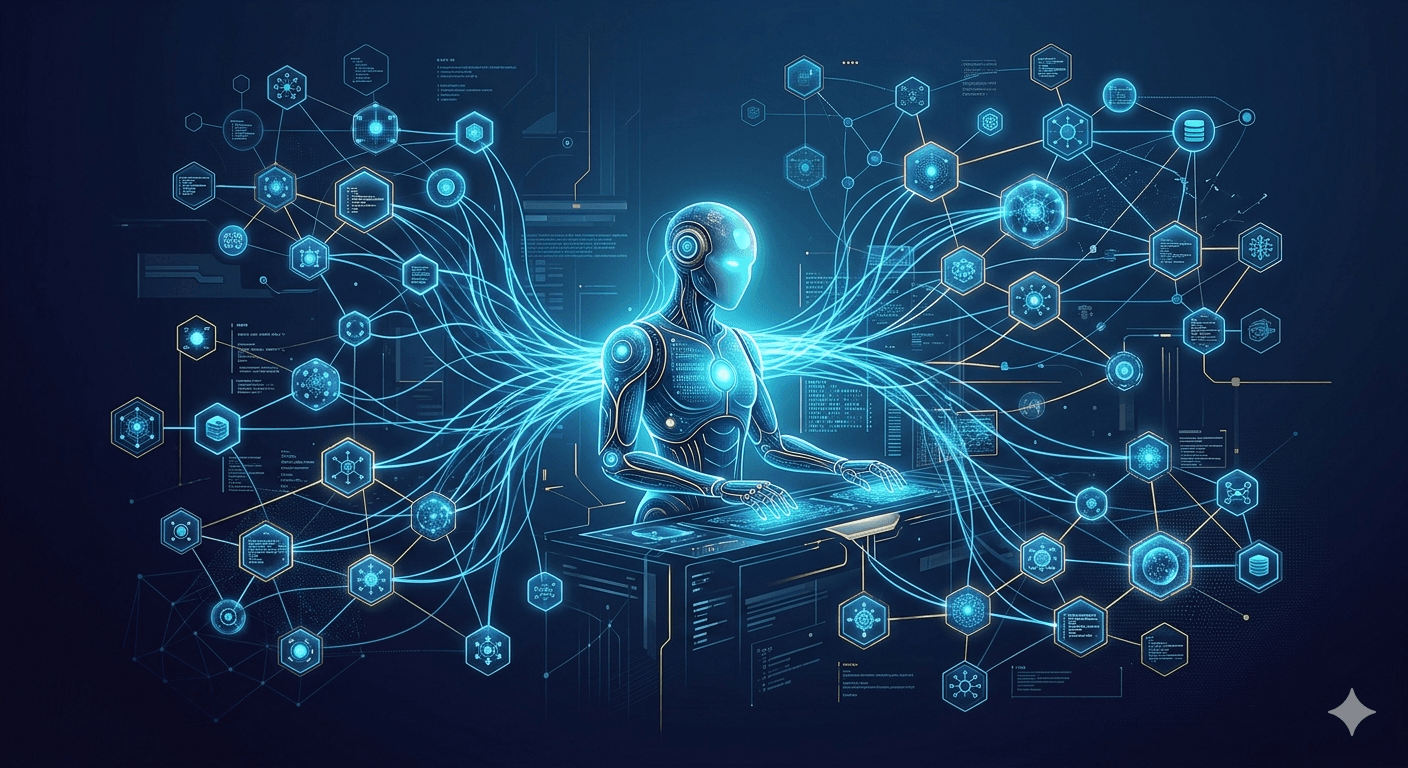
With the growing adoption of agent frameworks and platforms like Azure OpenAI Service, developers are building systems where:
- Agents reason over data
- Execute workflows autonomously
- Continuously learn from interactions
Why Cosmos DB Matters for AI Agents
AI agents require:
- Low-latency access to contextual data
- Globally available state
- Flexible schemas
- Event-driven updates
Cosmos DB naturally fits this need because of:
- Multi-model support
- Real-time change feeds
- Global distribution with single-digit millisecond reads
Emerging Pattern: “Agent Memory Layer”
Expect deep sessions on:
- Using Cosmos DB as long-term memory for AI agents
- Combining vector search + transactional data
- Maintaining contextual state across sessions
This introduces a new architectural layer:
User → AI Agent → Cosmos DB (Memory + Context + Events)
2. Native Vector Search and Hybrid Queries
Vector databases have exploded in popularity—but managing separate systems adds complexity.
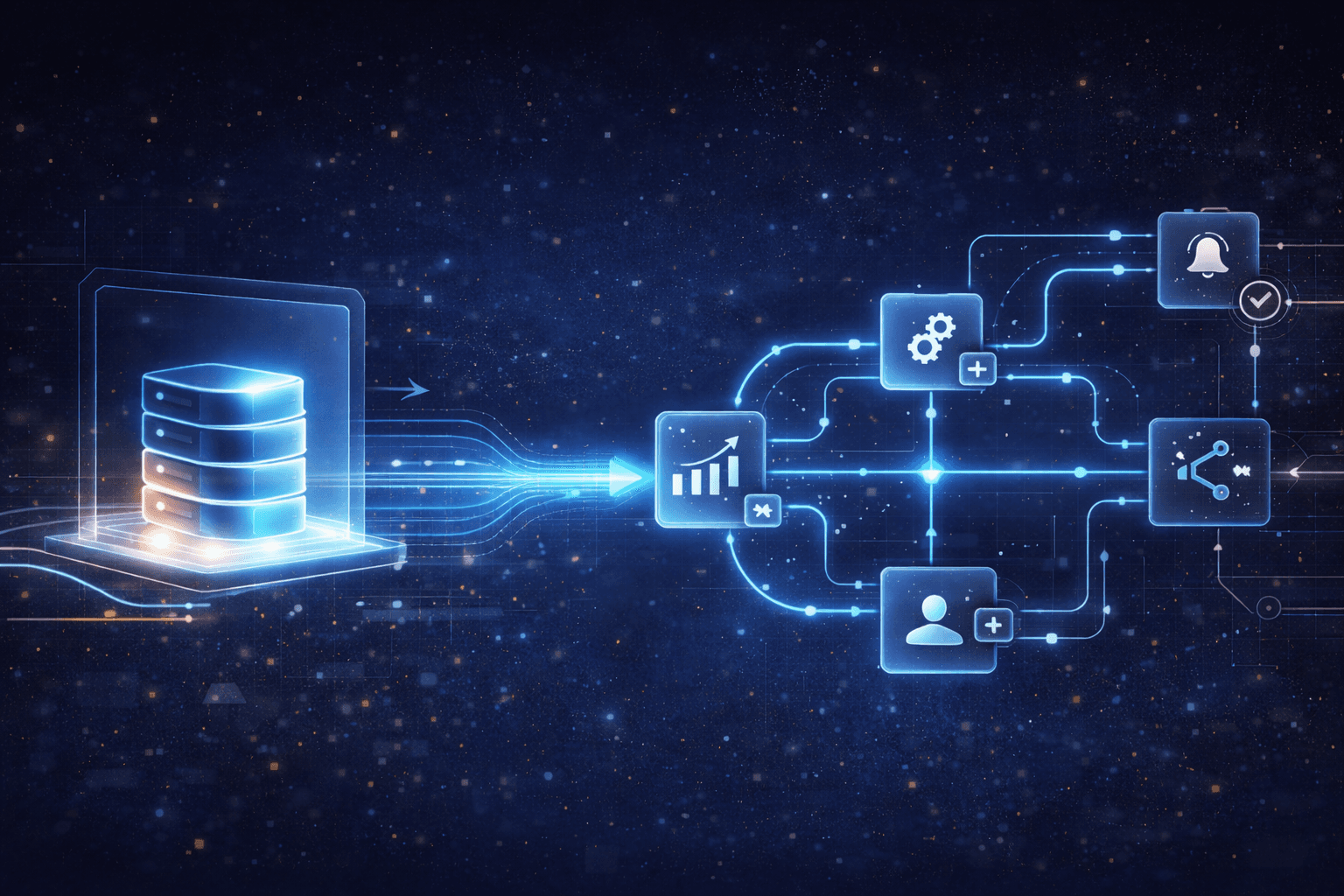
Cosmos DB is evolving into a hybrid database that supports:
- Structured queries (SQL-like)
- NoSQL document storage
- Vector similarity search
What’s Expected in 2026
- Improved vector indexing performance
- Hybrid queries combining:
- Metadata filters
- Vector similarity
- Better integration with embedding models
This aligns with trends seen across platforms like OpenAI Embeddings API, where applications rely on semantic understanding instead of exact matches.
Why This Matters
Developers can:
- Eliminate separate vector DBs
- Build RAG (Retrieval-Augmented Generation) systems natively
- Reduce operational complexity
3. Global Scale, Reimagined
Global distribution has always been Cosmos DB’s strongest feature—but 2026 is about making it invisible to developers.
Key Areas to Watch
1. Multi-Region Writes (Simplified)
- Automatic conflict resolution improvements
- Developer-friendly abstractions
2. Latency-Aware Routing
- Smarter request routing based on user geography
- Better performance for real-time apps
3. Elastic Scalability Enhancements
- More granular autoscaling
- Cost-aware scaling strategies
Real-World Use Cases
- Global SaaS platforms
- Multiplayer gaming systems
- Financial transaction systems
- AI-driven personalization engines
The focus is shifting from:
“How do I scale globally?”
to
“Global scale should just work.”
4. Event-Driven Architectures with Change Feed
The Cosmos DB Change Feed continues to be a game-changer.
In 2026, expect:
- Deeper integration with serverless compute
- Real-time pipelines into analytics systems
- Event sourcing patterns becoming mainstream
Why Change Feed is Critical
It enables:
- Reactive systems
- Real-time AI inference triggers
- Microservices communication without tight coupling
Example Flow
User Action → Cosmos DB Write → Change Feed → Azure Function → AI Processing → Response
This model is foundational for:
- Fraud detection
- Recommendation engines
- Live dashboards
5. Developer Experience: Simplicity at Scale
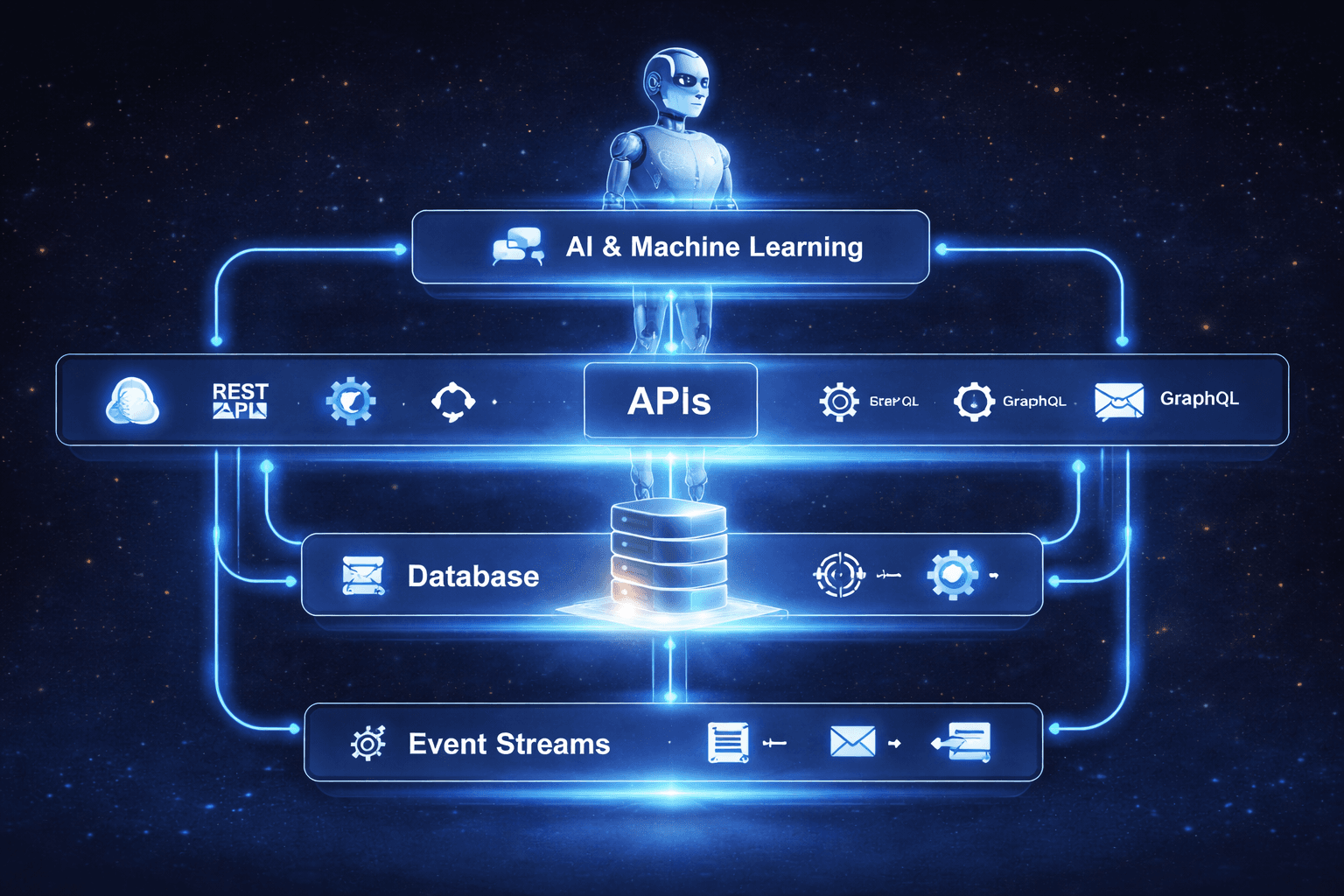
One of the biggest barriers to distributed systems has always been complexity.
Expect major improvements in:
1. Local Development
- Better emulators
- Offline-first testing
2. SDK Enhancements
- Simplified APIs
- Improved performance
- Better observability
3. Integrated Tooling
- Debugging distributed queries
- Visualizing data distribution
These improvements will likely integrate tightly with tools like Visual Studio Code, making development smoother.
6. Cost Optimization and FinOps Focus
As usage scales, cost becomes critical.
Expect sessions focused on:
- RU optimization strategies
- Predictable billing models
- Workload-based cost tuning
Key Trend
Moving from “scale at any cost” to “efficient global scale”
Developers and architects will gain:
- Better cost visibility
- Smarter autoscaling
- Fine-grained control over throughput
7. Multi-Model and API Ecosystem Expansion
Cosmos DB’s support for multiple APIs has always been a strong differentiator.
In 2026, expect:
- Improved compatibility with MongoDB workloads
- Enhanced support for graph and time-series use cases
- Cross-API querying possibilities
This flexibility allows teams to:
- Use familiar tools
- Migrate easily
- Avoid vendor lock-in at the application layer
8. Security, Compliance, and Enterprise Readiness
With global applications comes global responsibility.
Key areas likely to be emphasized:
- Data residency controls
- Advanced encryption models
- Compliance with international regulations
Enterprises building in regulated industries (finance, healthcare, gov) will benefit from:
- Strong governance features
- Audit-ready architectures
9. Integration with the Broader Azure Ecosystem
Cosmos DB doesn’t exist in isolation—it thrives as part of the Microsoft Azure ecosystem.
Expect tighter integrations with:
- AI services
- Analytics platforms
- Serverless compute
- Data pipelines
This creates a unified architecture where:
- Data flows seamlessly
- AI operates in real time
- Systems remain loosely coupled but deeply integrated
10. The Bigger Picture: A Shift in How We Build Systems
Azure Cosmos DB Conf 2026 is not just about features—it reflects a broader industry shift:
Then (Traditional Systems)
- Centralized databases
- Batch processing
- Static applications
Now (Modern Systems)
- Distributed data
- Real-time processing
- AI-driven workflows
Next (What 2026 Represents)
- Autonomous systems
- AI agents as core components
- Databases as intelligence layers
Final Thoughts
Azure Cosmos DB Conf 2026 is shaping up to be a pivotal moment for developers, architects, and organizations building next-generation systems.
The key takeaway is clear:
The future of databases is not just about storing data—it’s about enabling intelligence at global scale.
If you're working on:
- AI-powered applications
- Real-time systems
- Global SaaS platforms
- Event-driven architectures
…then Cosmos DB is no longer optional—it’s becoming foundational.
Written by
